- International Potato Center (CIP). (2020). Potato facts and figures. https://cipotato.org/potato/potato-facts-and-figures:
- Food and Agriculture Organization of the United Nations (FAO). (2022). FAOSTAT: Crops and livestock products — Potatoes production 2021. https://www.fao.org/faostat/en/#data/QCL:
- World Health Organization (WHO). (2019). Healthy diet: Key facts. https://www.who.int/news-room/fact-sheets/detail/healthy-diet:
- Camire, M. E., Kubow, S., & Donnelly, D. J. (2009). Potatoes and human health. Critical Reviews in Food Science and Nutrition, 49(10), 823–840. https://doi.org/10.1080/10408390903041996:
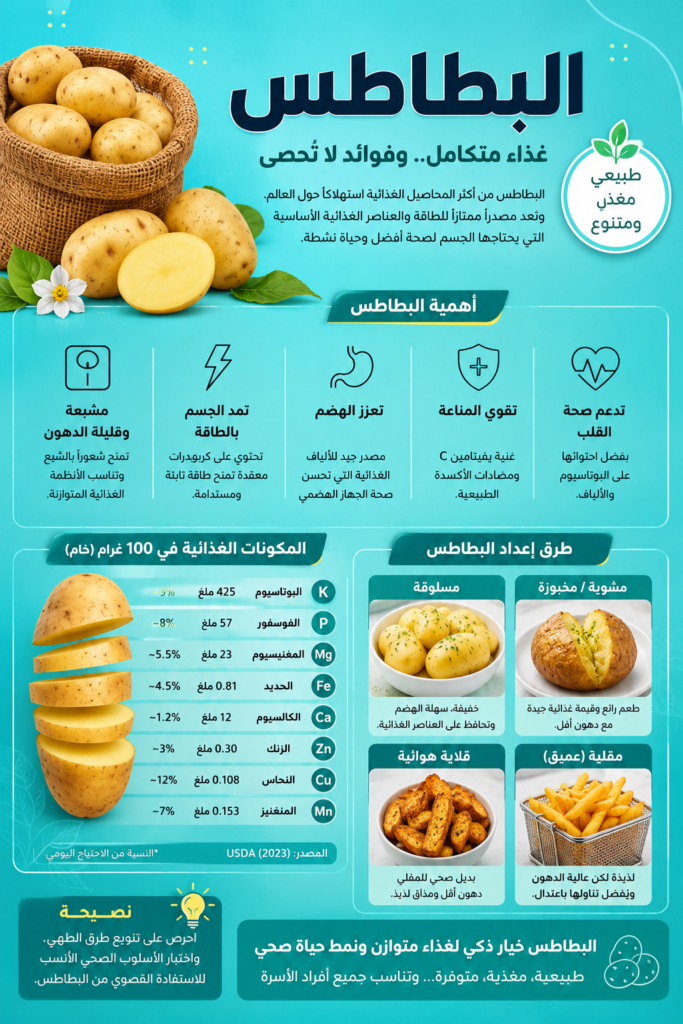
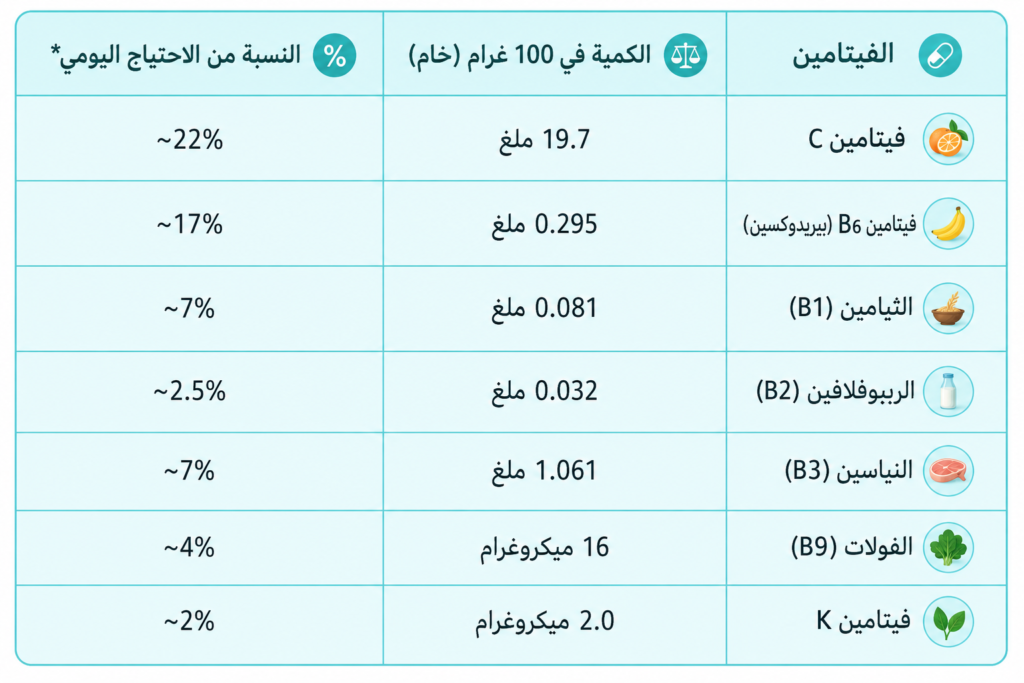
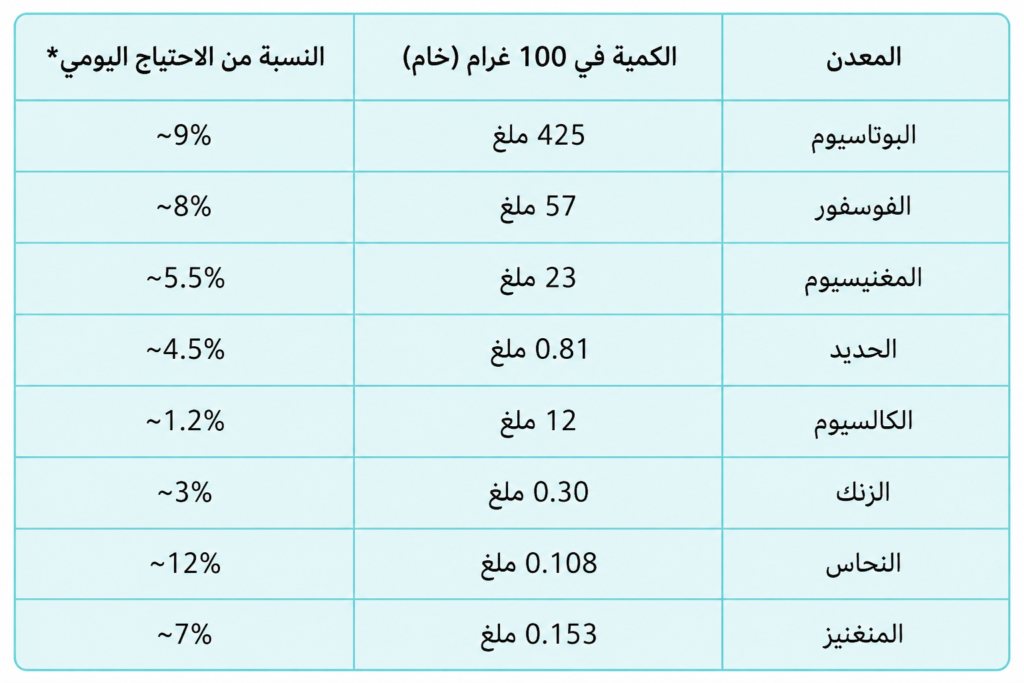
- USDA Agricultural Research Service. (2023). FoodData Central: Potatoes, raw, skin (ID: 170026). https://fdc.nal.usda.gov/fdc-app.html#/food-details/170026/nutrients:
- Liu, Q., Weber, E., Currie, V., & Yada, R. (2018). Physicochemical properties of starches during potato development. Carbohydrate Polymers, 31(4), 283–295. https://doi.org/10.1016/S0144-8617(96)00099-6:
- Baxter, N. T., Schmidt, A. W., Venkataraman, A., Kim, K. S., Martens, E. C., & Martens, M. X. (2019). Dynamics of human gut microbiota and short-chain fatty acids in response to dietary interventions with three fermentable fibers. mBio, 10(1), e02566-18. https://doi.org/10.1128/mBio.02566-18:
- Sowokinos, J. R. (2001). Biochemical and molecular control of cold-induced sweetening in potatoes. American Journal of Potato Research, 78(3), 221–236. https://doi.org/10.1007/BF02883548:
Iwai, K., & Horie, K. (1999). Nutritional value of potato protein. In Potato: Global Research and Development (pp. 756–768). Indian Potato Association:- European Food Safety Authority (EFSA). (2017). Dietary reference values for the EU. https://www.efsa.europa.eu/en/topics/topic/dietary-reference-values:
- Mozafar, A. (1994). Plant vitamins: Agronomic, physiological, and nutritional aspects. CRC Press:
- National Institutes of Health (NIH), Office of Dietary Supplements. (2023). Vitamin B6: Fact sheet for health professionals. https://ods.od.nih.gov/factsheets/VitaminB6-HealthProfessional:
- American Heart Association. (2021). How potassium can help control high blood pressure. https://www.heart.org/en/health-topics/high-blood-pressure/changes-you-can-make-to-manage-high-blood-pressure/how-potassium-can-help-control-high-blood-pressure:
- Reddivari, L., Hale, A. L., & Miller, J. C. (2007). Determination of phenolic content, composition and their contribution to antioxidant activity in specialty potato selections. American Journal of Potato Research, 84(4), 275–282. https://doi.org/10.1007/BF02986239:
- Ji, X., Rivers, L., Zielinski, Z., Xu, M., Beriault, R., & Winegarden, J. A. (2012). Characterization of anthocyanins from coloured potato cultivars. Food Chemistry, 130(3), 714–721. https://doi.org/10.1016/j.foodchem.2011.08.006:
- Brown, C. R., Culley, D., Yang, C. P., Durst, R., & Wrolstad, R. (2005). Variation of anthocyanin and carotenoid contents and associated antioxidant values in potato breeding lines. Journal of the American Society for Horticultural Science, 130(2), 174–180. https://doi.org/10.21273/JASHS.130.2.174:
André, C. M., Ghislain, M., Bertin, P., Oufir, M., del Rosario Herrera, M., Hoffmann, L., & Evers, D. (2007). Andean potato cultivars (Solanum tuberosum L.) as a source of antioxidant and mineral micronutrients. Journal of Agricultural and Food Chemistry, 55(2), 366–378. https://doi.org/10.1021/jf062330r:- Friedman, M. (2006). Potato glycoalkaloids and metabolites: Roles in the plant and in the diet. Journal of Agricultural and Food Chemistry, 54(23), 8655–8681. https://doi.org/10.1021/jf061471t:
European Food Safety Authority (EFSA). (2020). Update of the risk assessment of glycoalkaloids in food. EFSA Journal, 18(8), e06222. https://doi.org/10.2903/j.efsa.2020.6222:- Aburto, N. J., Hanson, S., Gutierrez, H., Hooper, L., Elliott, P., & Cappuccio, F. P. (2013). Effect of increased potassium intake on cardiovascular risk factors and disease: Systematic review and meta-analyses. BMJ, 346, f1378. https://doi.org/10.1136/bmj.f1378:
- Vinson, J. A., Demkosky, C. A., Navarre, D. A., & Smyda, M. A. (2012). High-antioxidant potatoes: Acute in vivo antioxidant source and hypotensive agent in humans after supplementation to hypertensive subjects. Journal of Agricultural and Food Chemistry, 60(27), 6749–6754. https://doi.org/10.1021/jf205557j:
- Benton, D., & Donohoe, R. T. (1999). The effects of nutrients on mood. Public Health Nutrition, 2(3a), 403–409. https://doi.org/10.1017/S1368980099000555: